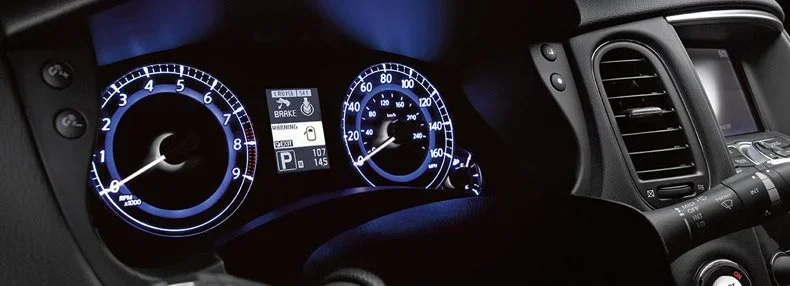
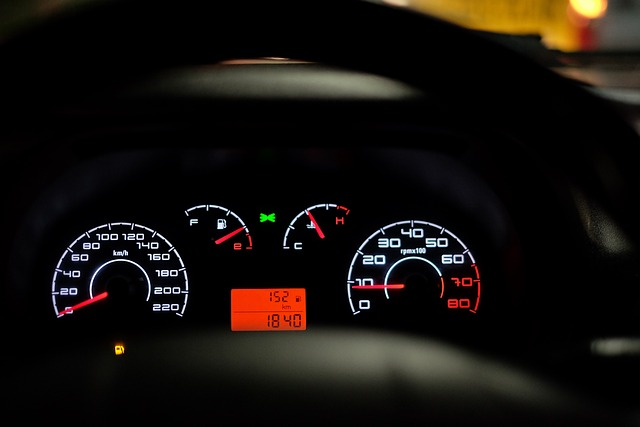
Are you wondering what all those symbols on your dashboard are telling you? Dashboard warning lights can be confusing, but they are actually trying to help keep you safe. Knowing what each symbol means can save you time and money by alerting you to potential problems with your vehicle before they become major issues. In this article, we'll explore the meaning of some of the most so that you know what action to take when one appears. Check Engine Light If your check engine light is on, don't panic - it could be something minor! In most cases, the check engine light indicates a problem with your car's emissions system, which can affect your vehicle's fuel efficiency and ability to pass emissions tests. To diagnose the issue causing your check engine light , you should take your car to an auto repair shop where they can plug into the vehicle’s computer system and read any diagnostic trouble codes that may be present. What Are Common Fixes For A Check Engine Light Illuminates? Common fixes for check engine lights include replacing spark plugs or air filters or topping up low fluids such as oil or coolant. Typically whenever you see your check engine light turns on, the repairs are usually inexpensive and easy to do yourself but you may need professional help if there are more serious underlying issues. If not fixed promptly, the problem could get worse so it's important to have your car checked out as soon as possible when you see the check engine light. Oil Pressure Warning Light When the flickers on, it's time to take action and ensure your engine stays running smoothly. The oil filter change should be checked first and if it's clogged or dirty, then it should be replaced with a new one. Next, you'll want to check the dipstick reading of your engine oil. If the oil level is low, you might need to add some more engine oil or even consider using some specialized oil additives. Lastly, if there are any signs of leaks under the car then you will need to have this fixed as soon as possible because this could be causing your vehicle’s loss of pressure in its engine. What can happen if your oil pressure warning lights turn on? It’s important that you take action when the warning lights appear on your dashboard as ignoring them can cause further damage down the line. If any part of your engine fails due to low levels of oil pressure or lack of maintenance then this can result in costly repairs for parts such as pistons, crankshafts and bearings which can end up costing hundreds or even thousands depending on how severe the issue is. How to prevent your oil pressure warning light from turning out? Taking preventative measures by having regular checks done and ensuring all parts are working properly will help keep everything running efficiently without major issues arising. Regularly checking fluid levels like coolant, brake fluid, and especially motor oil are essential steps in maintaining a healthy vehicle so don't forget to check yours periodically! Keep an eye out for unusual noises coming from your car too, such as knocking sounds which may indicate something more serious than just an empty reservoir - get these looked at straight away because they could be indicative of bigger problems down the road. Engine Temperature Warning Light Stay ahead of the game and take care of your car by keeping an eye out for when that temperature warning light flickers on. It could be signaling something more serious than just a hot engine. The engine temperature warning light indicates there's an issue with the engine's ability to stay at its optimal temperature. Usually due to a lack of coolant or low coolant levels in the radiator. This can also be caused by a faulty sensor in the system or damage to one of the radiator hoses. What to do if you temperature warning lights turn on? It's important to act quickly if you see this warning light. If left unchecked, it can lead to major issues like internal engine damage from overheating. If you suspect any kind of issue with your vehicle's cooling system, have it checked out as soon as possible by a professional mechanic. Low coolant levels need topping up and any damaged parts must be replaced before continuing driving. Not only will this help keep your engine running smoothly, but it will also save you money in costly repairs down the road. Monitoring your engine's temperature is essential for keeping it running efficiently and safely. So make sure you pay attention when that temperature warning light comes on! ABS Light Pay attention to the ABS light on your dashboard - it's there to ensure your safety on the road. The ABS ( Anti-lock Braking System) is an important part of a vehicle's functionality, as it helps prevent wheels from locking up during sudden stops or when encountering slippery surfaces. Not only does this improve braking performance and stability, but it also helps you maintain control of your car in such situations. To keep the system running properly, regular maintenance and diagnostics are required. What to do if you ABS warning light stays illuminated? If you see the ABS light illuminated on your dashboard, this indicates that there may be an issue with the system's performance or functionality and should be checked by a professional mechanic. They can run various tests to diagnose any problems with the sensors, wiring or other components involved in its operation. After all necessary repairs have been made, they will reset the light so that it will come back on if there are further issues in future. It is important to take care of any ABS troubleshooting as soon as possible, not only for safety reasons but also to avoid potential damage resulting from driving with a malfunctioning system. If you're unsure about how to evaluate or repair any issues yourself, make sure that you consult a qualified technician so they can help restore proper functioning and get you safely back on the road again. Traction Control Light Be aware of the traction control light on your car's dashboard - it's there to help ensure a safe ride. The traction control system, or TCS for short, is designed to monitor and adjust braking power when needed. When the traction control light illuminates, it typically means that one of the wheels is slipping due to low tire pressure or an issue with the brake system. This can be especially dangerous in wet weather or during winter driving when roads are slick or have icy patches. Do my tires impact the performance of my Traction Control System? It’s important to take care of your car by making sure tires are rotated regularly and brakes are inspected regularly so you don’t run into issues while out on the road. In addition to monitoring wheel slip, TCS also helps improve vehicle stability by using sensors that measure lateral acceleration, engine torque, yaw rate and other factors related to your car’s performance on the road. In certain driving conditions such as rain or snow, TCS will apply additional braking power automatically based on data collected from these sensors in order to keep you safe from skidding and sliding off the road. Should You Get Your Traction Control System Inspected? While this feature can provide additional confidence while driving in hazardous conditions, it is important not forget about regular maintenance such as tire rotation and brake inspection so that you can be prepared for any situation while out on the road. It pays to be aware of how your car works and what indicators like the traction control light mean; doing so will help you stay safe no matter what kind of weather comes your way! Tire Pressure Monitoring System Light You'll want to be prepared for any situation while out on the road, which is why it's important to familiarize yourself with your car's tire pressure monitor light. Your tire pressure warning light can indicate a serious loss in air pressure throughout your tires. The tire pressure warning light typically appears as an exclamation point inside a horseshoe-shaped icon located on your dashboard. It indicates that one or more of your tires may have low air pressure. This could lead to unsafe driving conditions and should be addressed immediately. How to test your tire pressure monitoring system? To ensure proper inflation of your car tires, you should pay attention to the type of tires you have, the tread depth, and when they need rotation and alignment. Choosing the right type of tire is essential for good performance; different cars require different types of tires depending on their size and weight load capacity. Tread depth can also affect performance; too much tread will cause difficulty in steering while too little can cause poor traction in wet weather conditions. Finally, having regular tire rotations and wheel alignments will help prevent uneven wear which can lead to excessive wear on some parts of the tire before others are worn down. Keeping up with all these factors helps maintain safe driving conditions so that if you ever find yourself in a situation where your car’s tire pressure monitor light goes off, you can be sure that it is nothing serious or dangerous! Battery Warning Light If you're ever out on the road and notice a battery-shaped icon appear on your dashboard, it could mean that there's an issue with your car's battery and you should take action quickly. This warning light is typically accompanied by other symptoms such as dim headlights or odd noises from the engine, indicating that something may be wrong. How To Inspect Your Car Battery? If this happens, the first step should be to check the Battery Maintenance of your car to make sure it's up-to-date. This includes ensuring all terminals are connected correctly, making sure the electrolyte levels are correct and checking for corrosion or damage to any of the cables. The next step is to perform a Jump Starting test using jumper cables connected to another vehicle with a good battery. If this doesn't work, then it could indicate that there is an issue with either your car's Battery Voltage or the Alternator which needs further inspection. What To Do if Your Alternator is Broken? To determine whether or not one of these components has failed, a professional technician should check both using specialized testing equipment such as multimeters and oscilloscopes. If you find yourself in need of replacing either part then you can expect that they will need replacements along with any associated parts such as pulleys and belts that connect them to other components in your vehicle’s powertrain system. In some cases however, if only one component has failed then it may be possible just replace it alone without having to buy new additional parts - though this decision should always be made after consulting an expert who can advise on what is best for your particular situation. Airbag Warning Light The sight of an airbag-shaped symbol on your car's dashboard can be a cause for alarm, signaling an issue with the vehicle's airbags that needs to be addressed right away. Airbag maintenance is important in ensuring their safety and effectiveness; faults or installation errors can cause the system to malfunction leading to potentially serious harm. Checking for any potential problems should include testing for proper airbag deployment speed and for any fault codes, as well as making sure all components are properly connected and have been installed correctly. In order to prevent any issues with your car's airbags, it's advisable to have them checked regularly by a professional mechanic. This includes inspecting the wiring and sensors, checking that all parts are in working order, as well as inspecting the condition of the airbags themselves. Regular maintenance also helps ensure that they are properly calibrated so they deploy at just the right time in case of a collision. Should you get your airbag system inspected? It's also important to remember that even when maintained properly, there is still a chance of failure due to wear and tear over time or other technical issues such as faulty components or improper installation. To reduce this risk, it's essential to make sure your car's airbags are inspected and tested regularly by a certified professional who has experience dealing with these kinds of systems. Just like in high-stakes games such as rainbow princess, where precision and timing can mean the difference between a big win and a missed opportunity, staying proactive with vehicle maintenance can safeguard you from costly or dangerous outcomes. Taking steps like this can help you stay safe on the roads while reducing your chances of being injured by an unexpected malfunction in your vehicle's airbag system. Cruise Control Light It's important to be aware of your cruise control light and what it indicates, so you can stay safe on the roads. Cruise control technology has evolved quite a bit in recent years, offering features such as: Cruise Control Activation: Automatically activating when driving above a certain speed. Manual activation for more precise control over speed. Cruise Control Maintenance: Maintaining a steady speed even when facing hills or inclines. Adjusting speeds according to the flow of traffic. Cruise control safety is also improved with the addition of features like adaptive cruise control which helps maintain a safe distance between vehicles and lane departure warnings that alert drivers if their vehicle drifts from its path. All these features provide benefits to drivers such as increasing fuel efficiency, reducing driver fatigue, and providing greater convenience while on the road. Should you get your cruise control system inspected? With all these advantages comes responsibility; always check that your cruise control system is working properly and familiarize yourself with any safety protocols associated with your particular car model before using it. Doing this will help ensure you have an enjoyable and safe experience while using cruise control technology. Seatbelt Warning Light Fasten your seatbelt, you don't want the seatbelt warning light to come on! The seatbelt warning light is a safety measure designed to increase awareness of proper seatbelt installation and use. It's essential that you take the time to ensure your seatbelts are properly installed in your vehicle, as it can be the difference between serious injury or even death if involved in an accident. Seatbelt laws vary by state and country, so it’s important to familiarize yourself with local regulations, and make sure everyone in the vehicle is wearing their seatbelts correctly at all times. Why does the seatbelt warning light turn on? The purpose of the seatbelt warning light is twofold: To remind drivers and passengers of the importance of wearing a safety belt. To alert drivers when a passenger does not have their belt fastened. This reminder gives people an opportunity to double-check that everyone in the car has their belts securely fastened before starting off on any journey - whether long distance or short trips around town. When this reminder system fails for any reason, including loose connections or dead batteries, it’s important for drivers to manually check every occupant’s safety before driving away from any location. How important is it to wear your seatbelt? It's no secret that buckling up saves lives - according to some reports, more than half of occupants involved in fatal crashes weren't wearing a safety belt at the time. Wearing a proper fitting circuit ensures optimal protection during impacts; however many people forget about this rule altogether and put themselves at risk without even realizing it. Letting your friends know about this basic rule may help reduce fatalities due to lack of safety precautions while riding in vehicles. Always remember: buckle up for safety! Brake System Warning Light When your brake warning light turns on, normally this is a sign that your parking brake is engaged. However, it can also be a sign that there is an with your brakes and it's time for an inspection. Sometimes it can also be caused by an issue with the anti lock braking system. Because of the many reasons why your brake warning light can turn on, it's important to have a certified professional diagnose the issue, nothing is more dangerous than misdiagnosing a brake issue. What to do when your brake warning light turns on? If your brake service warning light is always on, it could be due to a need for parking brake adjustment, worn brake pads, or hydraulic issues. There may be times where your brake service warning light comes on every time you apply pressure to the brake pedal. When this happens it can signal a hydraulic loss on one or both sides of your vehicle or even dangerously low brake fluid levels in the master cylinder. Whenever your brake system warning light turn on, your best option is to drive your vehicle as little as possible. If you don't have the knowledge to diagnose the problem yourself, it is in your best interest to contact a brake system specialist to diagnose and repair the issue. You should be prepared to hire a towing service if you can't drive to your local repair shop, another option would be to find a mobile brake system repair service who can come to you and diagnose and repair the issue. Remember to always check to make sure your parking brake isn't on before assuming there is a major issue with your brakes. Frequently Asked Questions What should I do if a dashboard warning light comes on suddenly? If any of my car dashboard warning lights suddenly comes on, the first step is to check your vehicle's fluids and belts. If they're fine, then you should research potential recalls, as those can cause warning lights. It's also important to take preventative measures such as regular maintenance, which might help diagnose any underlying issues before they cause major problems. If none of these steps seem applicable or the warning light still remains on, it's best to have your car thoroughly inspected by a certified mechanic for further diagnosis. It is always important to keep an eye out for any car warning lights that may appear in your car. How can I tell which warning light is which? If you're curious about how to tell which warning light is which, there are a few steps you can take. The difference between a check engine light and a malfunction indicator light is significant, so knowing how severe the issue is can be the difference between life or death. Start by checking the fluid levels in your vehicle to ensure everything's topped off and running as it should be. Then, inspect all of the belts for any signs of wear or damage that could be causing the warning lights to come on. Next, replace any bulbs that may have burned out and test sensors to make sure they're functioning correctly. Finally, check hoses for any leaks or cracks that could affect performance. By taking these steps, you can get a better understanding of what each dashboard warning light means. Are dashboard warning lights always a sign of a serious problem? Dashboard warning lights aren't always a sign of a serious problem, but they should never be ignored. Depending on the type of vehicle and its onboard diagnostics system, it may be possible to identify the source of the warning with only visual cues. However, most vehicles require specific diagnostic tools to determine exactly what is causing the light to appear. In many cases, dashboard warnings can indicate preventative maintenance needs or other issues that can affect vehicle safety if not addressed promptly. Knowing your vehicle's warning thresholds and having regular engine diagnostics performed are important steps for keeping your car running safely and efficiently. What should I do if the same warning light keeps coming on? If you're dealing with a warning light that keeps coming back on, there are a few things you should do. Check your fluid levels and make sure they're full and at the proper level. Next, inspect your wiring harness for any visible damage or loose connections. If everything looks ok here, then you might need to check sensors in the vehicle's engine or other components. As you go through these steps, it's important to avoid panic and instead take time to read your manual carefully so that you can understand what each warning light means and how best to address it. How can I reset a dashboard warning light after it has been fixed? If the same dashboard warning light keeps coming on after you've fixed the underlying issue, it's important to reset the warning light. To do this, you should consult your vehicle's owner manual or use a diagnostic tool to locate the malfunction causes and ensure that all preventative maintenance has been performed. If any danger signs are present, take your vehicle in for repair immediately. Once everything checks out and is functioning correctly, you can then reset the dashboard warning light. Conclusion So there you have it! That's what all the dashboard warning lights mean. Knowing what each one is for can help you diagnose any potential problems with your vehicle and keep it running smoothly. Pay attention to the lights and if they come on, don't ignore them. Make sure to get your car checked out as soon as possible so you can avoid even bigger issues down the road. Remember, preventative maintenance is key when it comes to keeping your car in great shape!